



Whether you’re a molecular modeler or a researcher exploring virology, gaining insights into the dynamics of biomolecules is often crucial. One such biomolecule that has stood at the forefront of research in recent times is the spike (S) protein of SARS-CoV-2. This protein plays a pivotal role in the virus’s ability to recognize host cells and penetrate them, making it an important subject to study.
One common challenge faced by molecular modelers is how to comprehend and visualize the motion of a macromolecule, especially when it transitions between functional states. To address this, the SAMSON molecular design platform provides a fascinating example: the opening motion of the SARS-CoV-2 spike protein, which shifts from its closed state to an open state capable of binding to a receptor on human cells.
Why Is the Spike’s Motion Important?
The spike protein is a trimeric glycoprotein that facilitates viral entry by binding to its receptor, the Angiotensin-Converting Enzyme 2 (ACE2), on human cells. Its dynamics are critical because the motion from the closed to open state exposes its receptor-binding domain (RBD), enabling the virus to attach and begin the infection process.
The spike protein cannot fully mask this RBD with sugars, leaving parts of it exposed—a vulnerability that antibodies aim to exploit. Yet, understanding this motion isn’t just academically satisfying; it provides valuable leads for designing neutralizing antibodies and antiviral therapies.
What Tools Are Available to Study This?
SAMSON allows users to explore the computed trajectory of this opening motion. The motion has been calculated using advanced modeling techniques, bridging gaps between structural biology and molecular dynamics. Here’s what you can download to analyze the motion in detail:
- A library of PDB trajectory files
- A single PDB trajectory file
- A SAMSON file for direct use in the platform
Having the ability to explore these files allows molecular modelers to better visualize and analyze the transition between states of the spike protein. For instance, one can observe the receptor-binding domain drop into an exposed position in the open conformation.
Illustrating the Transition
To bring the spike protein’s motion to life, SAMSON offers animations that show its transition from the closed to the open state from different perspectives:
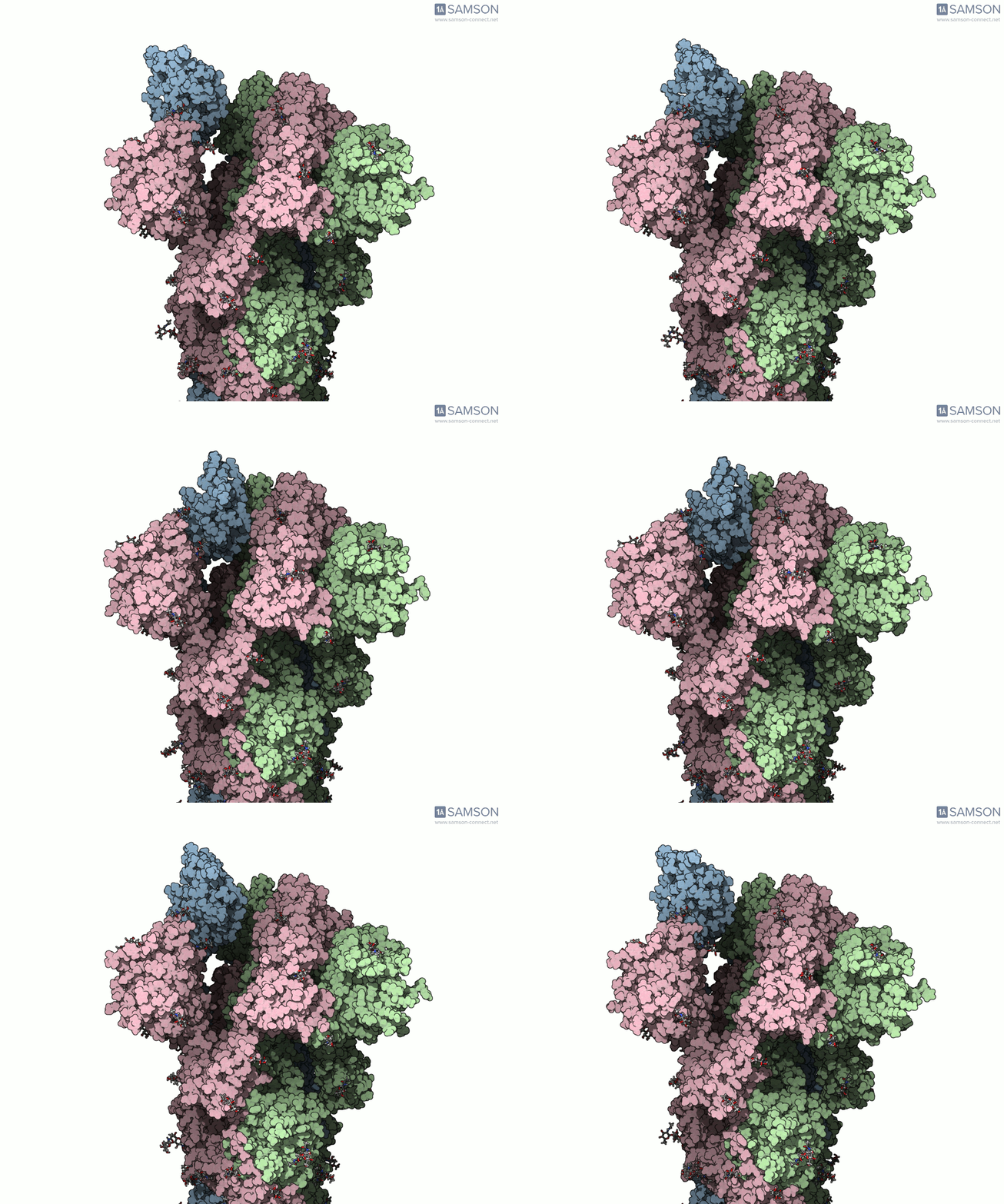
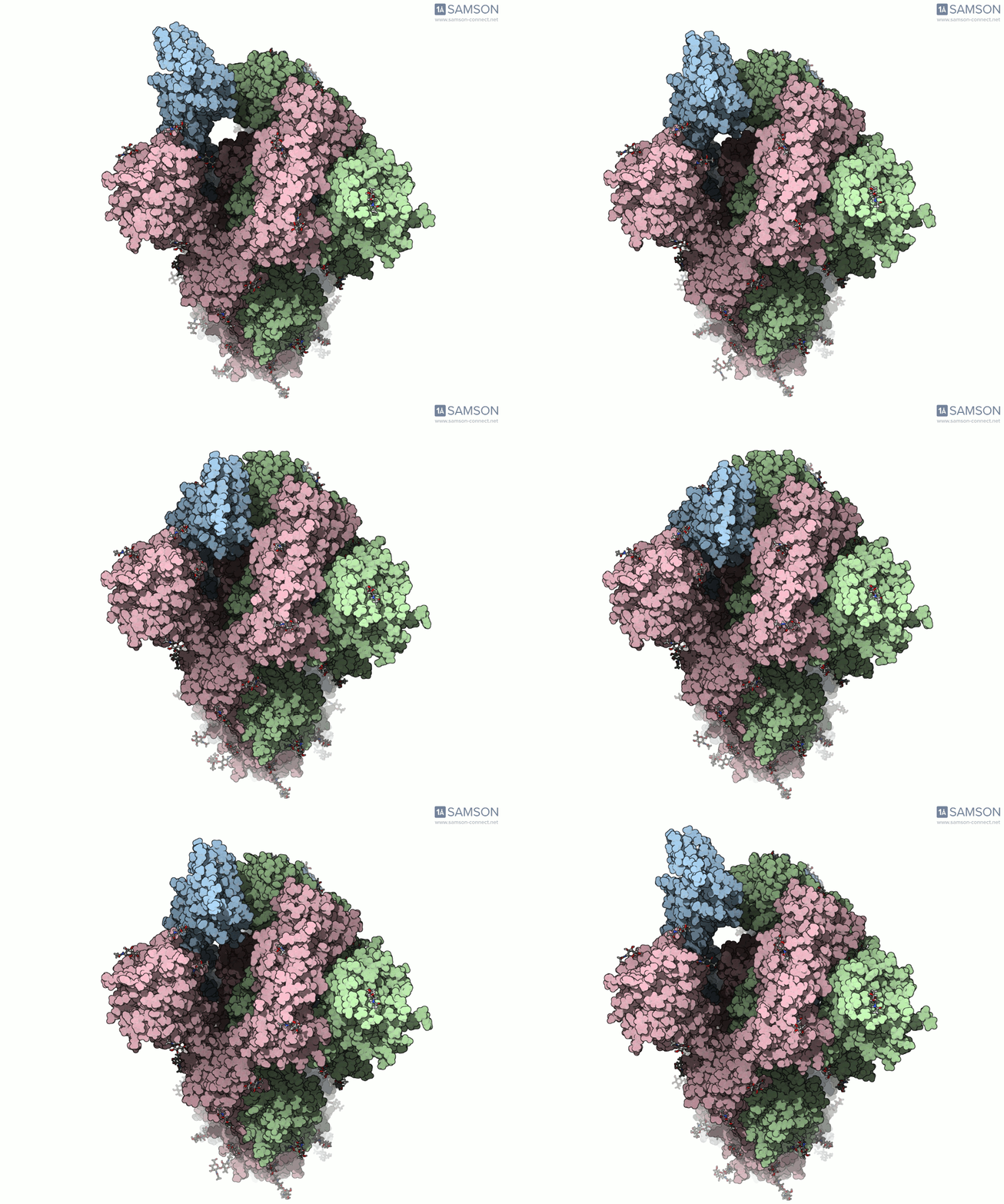
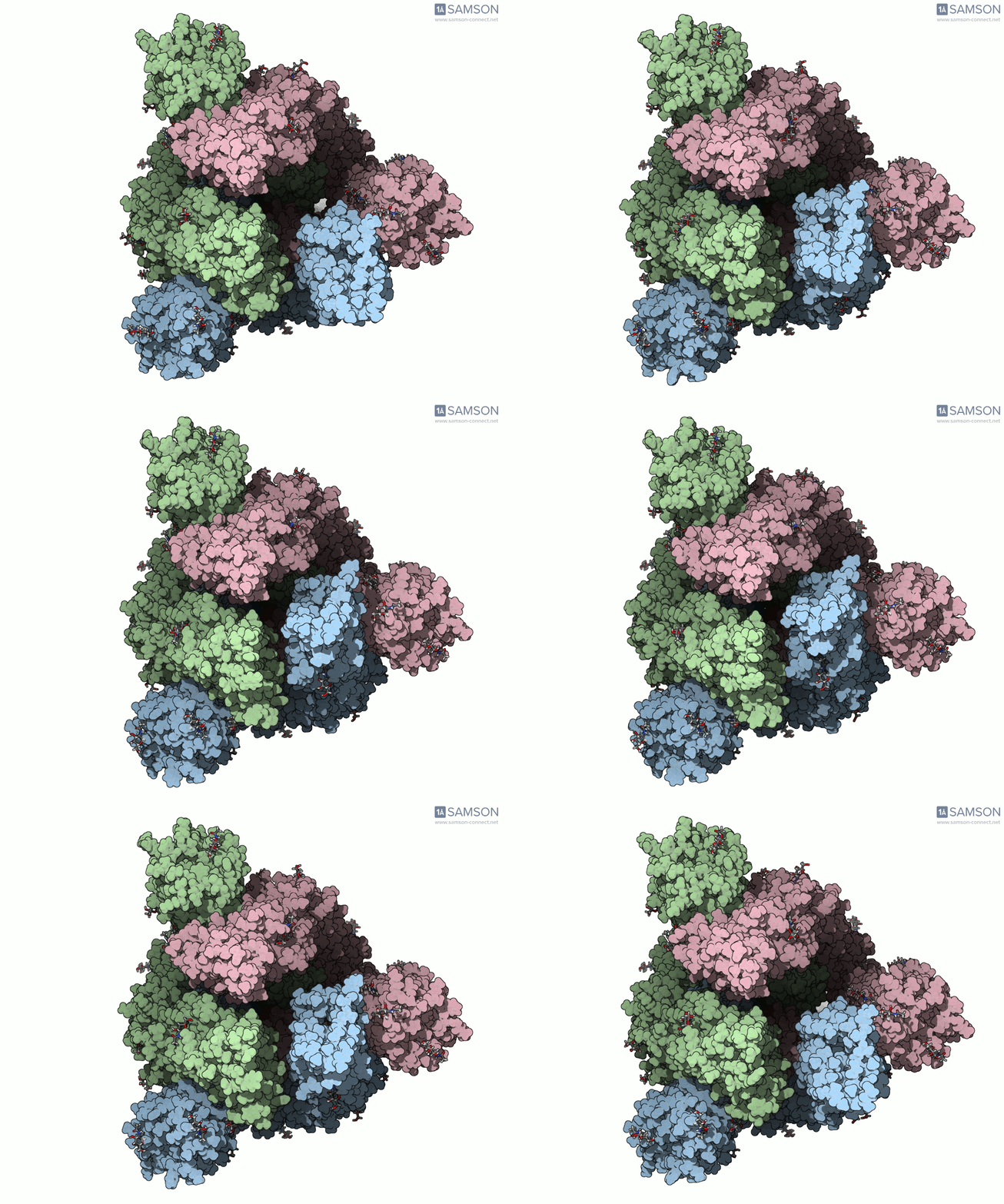
These visual tools can help molecular biologists and chemists comprehend how the spike protein opens up to interact with ACE2, a process critical to the viral infection mechanism.
Final Thoughts
Understanding the highly dynamic and crucial conformational changes of the SARS-CoV-2 spike protein can accelerate therapeutic discovery and provide context for experimental and computational studies. Make sure to take advantage of SAMSON’s computed paths and explore the visual aids to enrich your understanding.
For step-by-step instructions and additional technical details, visit the original documentation page.
SAMSON and all SAMSON Extensions are free for non-commercial use. You can download SAMSON from SAMSON Connect.