



For molecular modelers studying viral mechanisms, understanding the motion of the SARS-CoV-2 spike protein is crucial. This blog post delves into how the spike transitions from a closed to an open state, enabling it to bind to the ACE2 receptor of human cells. This understanding is not only pivotal for fundamental research but also for developing antivirals and vaccines.
Why focus on the spike’s motion?
The spike plays a central role in the lifecycle of SARS-CoV-2. It facilitates viral entry into host cells by binding to the ACE2 receptor—a process initiated through its opening motion. Visualizing and analyzing how it transitions between closed and open states gives researchers insights into its mechanics, vulnerabilities, and potential points for therapeutic intervention.
Visualizing the SARS-CoV-2 spike
Below are visualizations of the spike in its closed and open states, including side and top views that highlight its structural details:

 The side view of the spike (Source: PDB 6VXX): the spike is represented via its Gaussian surface (left) and via its secondary structure (right), the molecules around are sugars.

 The top view of the spike (Source: PDB 6VXX): the spike is represented via its Gaussian surface (left) and via its secondary structure (right), the molecules around are sugars.
Dynamic motion made accessible
The good news for molecular researchers is that SAMSON provides computed trajectories that illustrate how the spike transitions between its states. These trajectories can be downloaded in multiple formats:
Additionally, these transitions have been animated for better visualization:
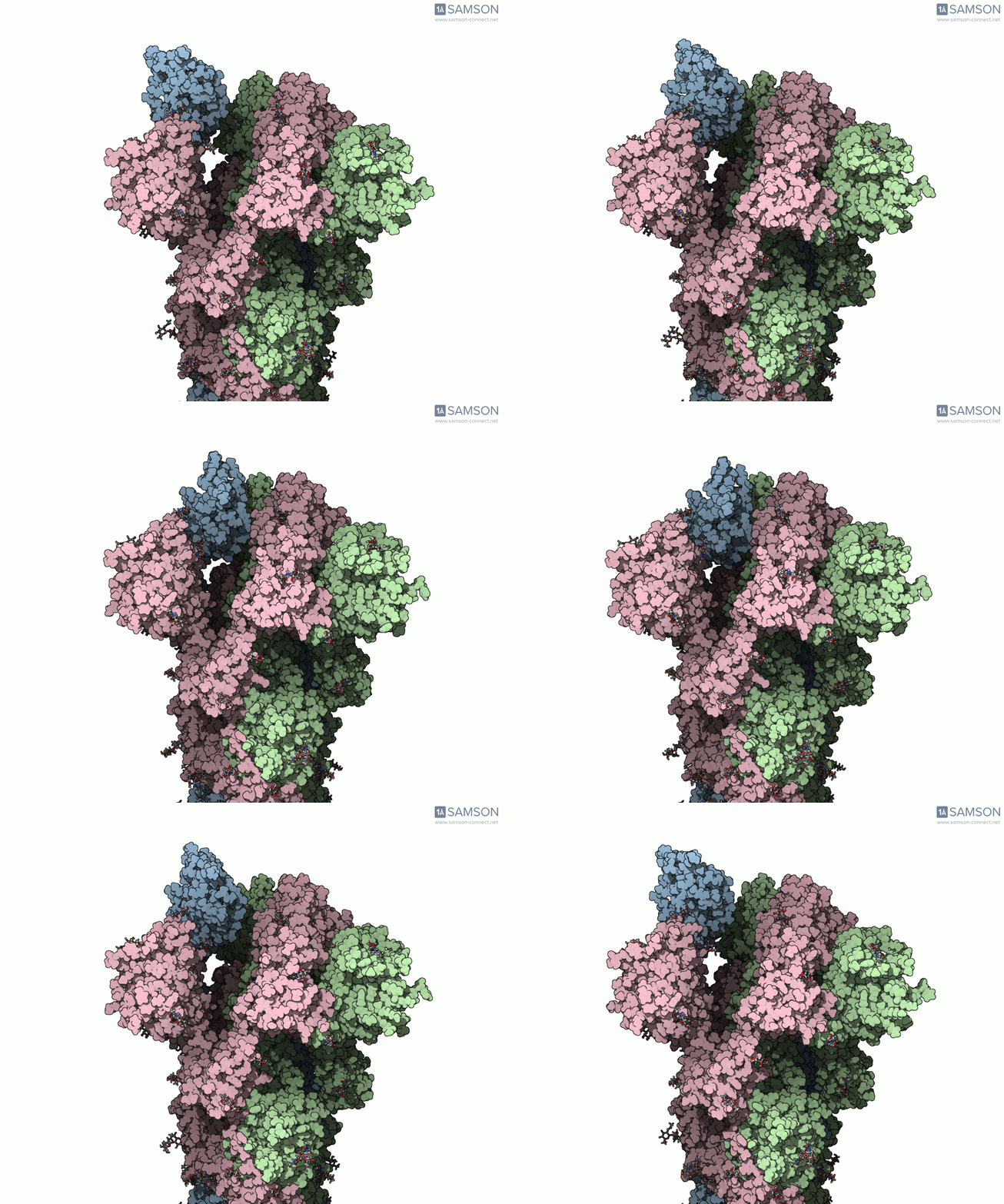
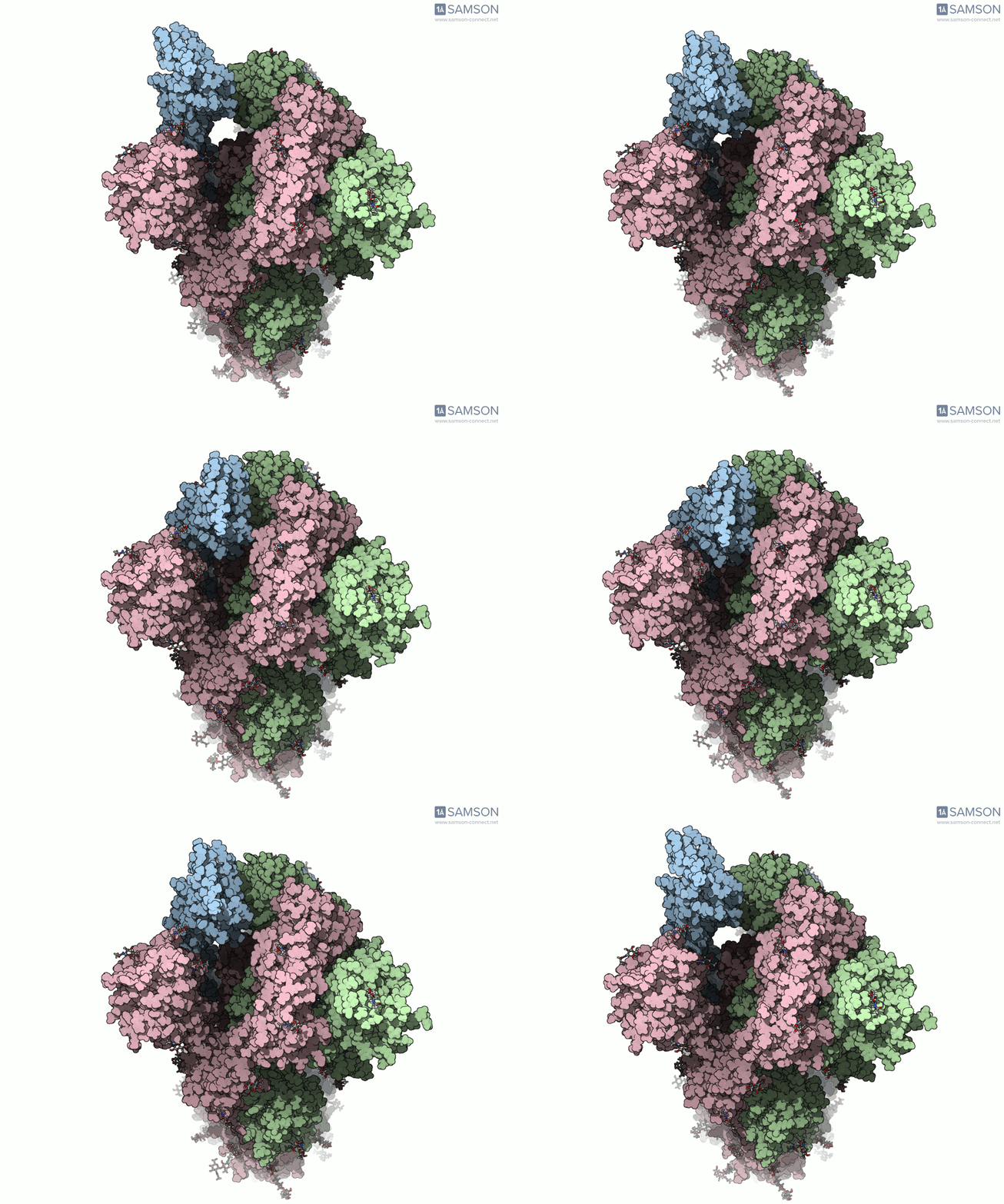
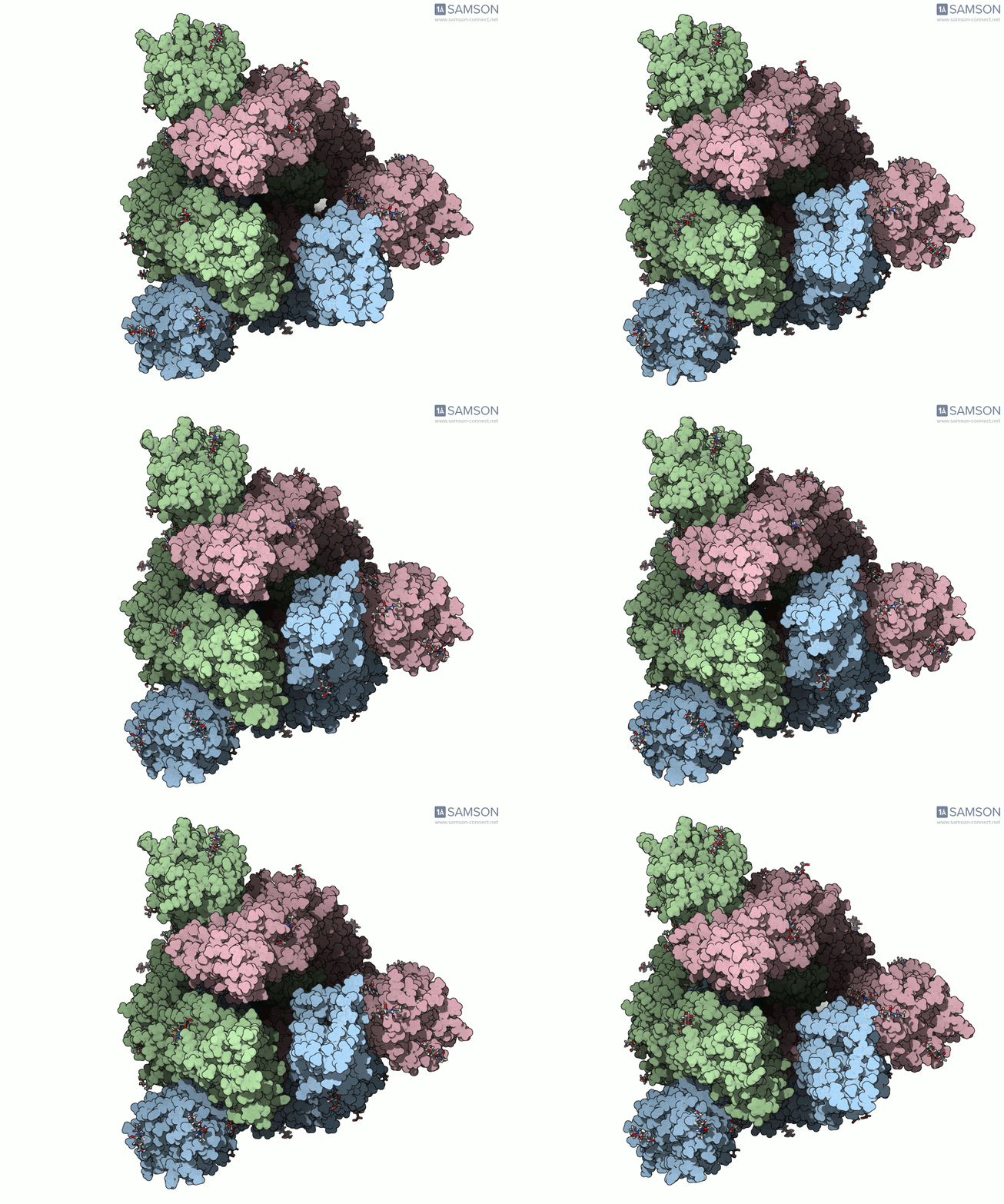
Leveraging SAMSON in your research
Having access to computed trajectories allows researchers to simulate and explore viral mechanisms realistically. This can provide insights on the design of inhibitors to prevent spike-receptor binding or other forms of disruption. Trajectories shared by SAMSON are released under the open CC BY 4.0 license, making them readily accessible for further studies or computational validation.
For a guided approach to reproducing the motion or adapting similar workflows to your system, you can explore modules like ARAP Interpolation Path and P-NEB, both of which are free during the ongoing SARS-CoV-2/COVID-19 outbreak.
If you’re ready to dive deeper, the full documentation page is available at this link.
*Note: SAMSON and all SAMSON Extensions are free for non-commercial use. To start using SAMSON, download it at SAMSON Connect.