



In molecular modeling, the ability to explore complex protein motions is critical for understanding biological processes. One such challenge is analyzing the motion of the SARS-CoV-2 spike protein, which is central to how the virus binds and gains entry into human cells. For many researchers and modelers, visualizing and simulating this movement presents a significant pain point in their workflows. This blog post will guide you through an essential concept: how SAMSON, the integrative molecular design platform, computed and illustrated the SARS-CoV-2 spike protein’s opening motion.
Why the Spike’s Motion Matters
The spike protein, a glycoprotein situated on the SARS-CoV-2 virus surface, facilitates entry by binding to the ACE2 receptor molecule on human cells. This critical interaction depends on the spike transitioning between a closed (“down”) state and an open (“up”) state. Understanding this dynamic movement offers insights not only for fundamental virology but also for developing therapeutic antibodies and vaccines. For example, the exposed receptor-binding region in its open state is a significant target for neutralizing antibodies.
Visualizing the Spike in Its Closed and Open States
To better grasp this motion, see how SAMSON illustrates the spike’s structure in closed and open configurations:
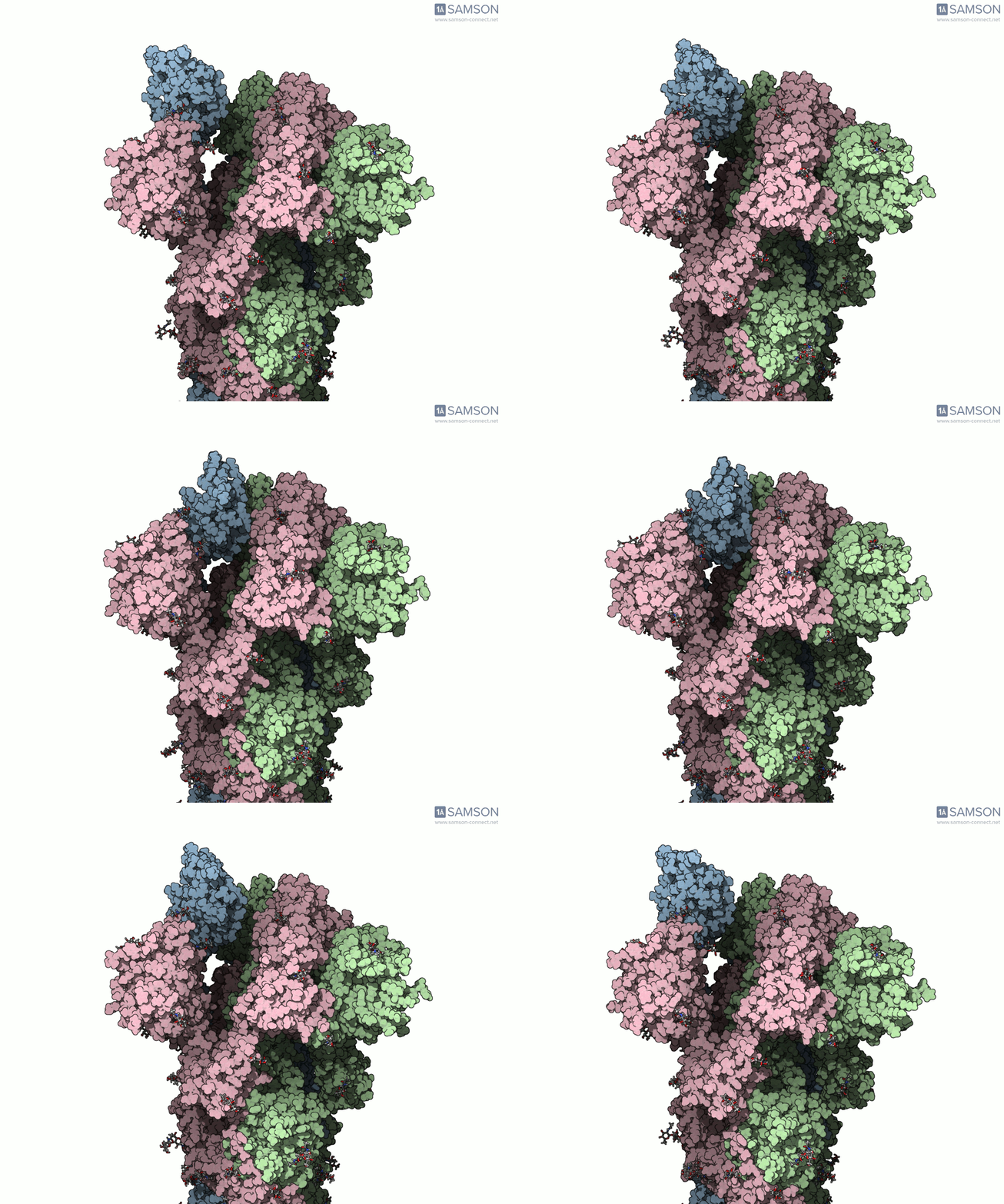
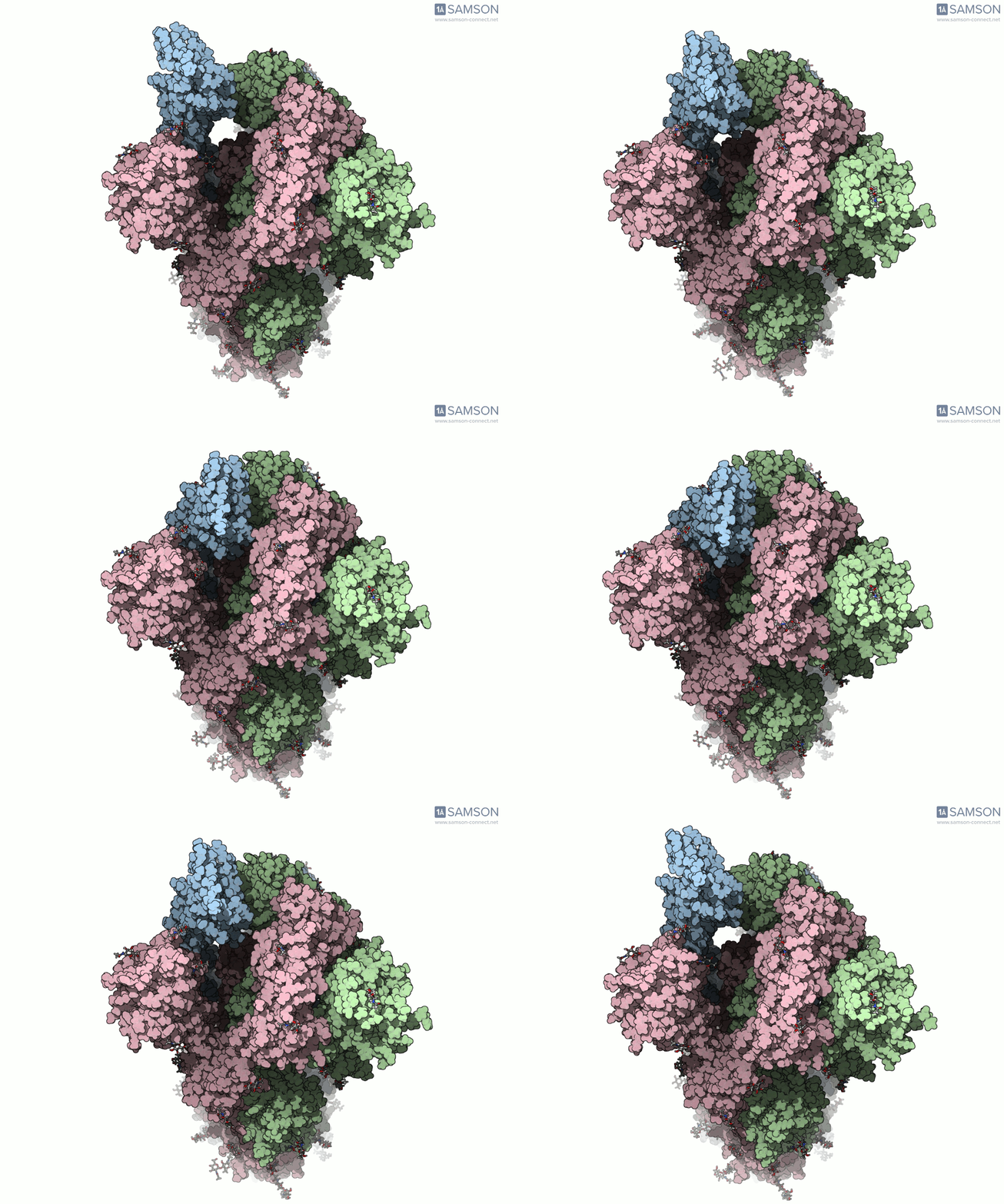
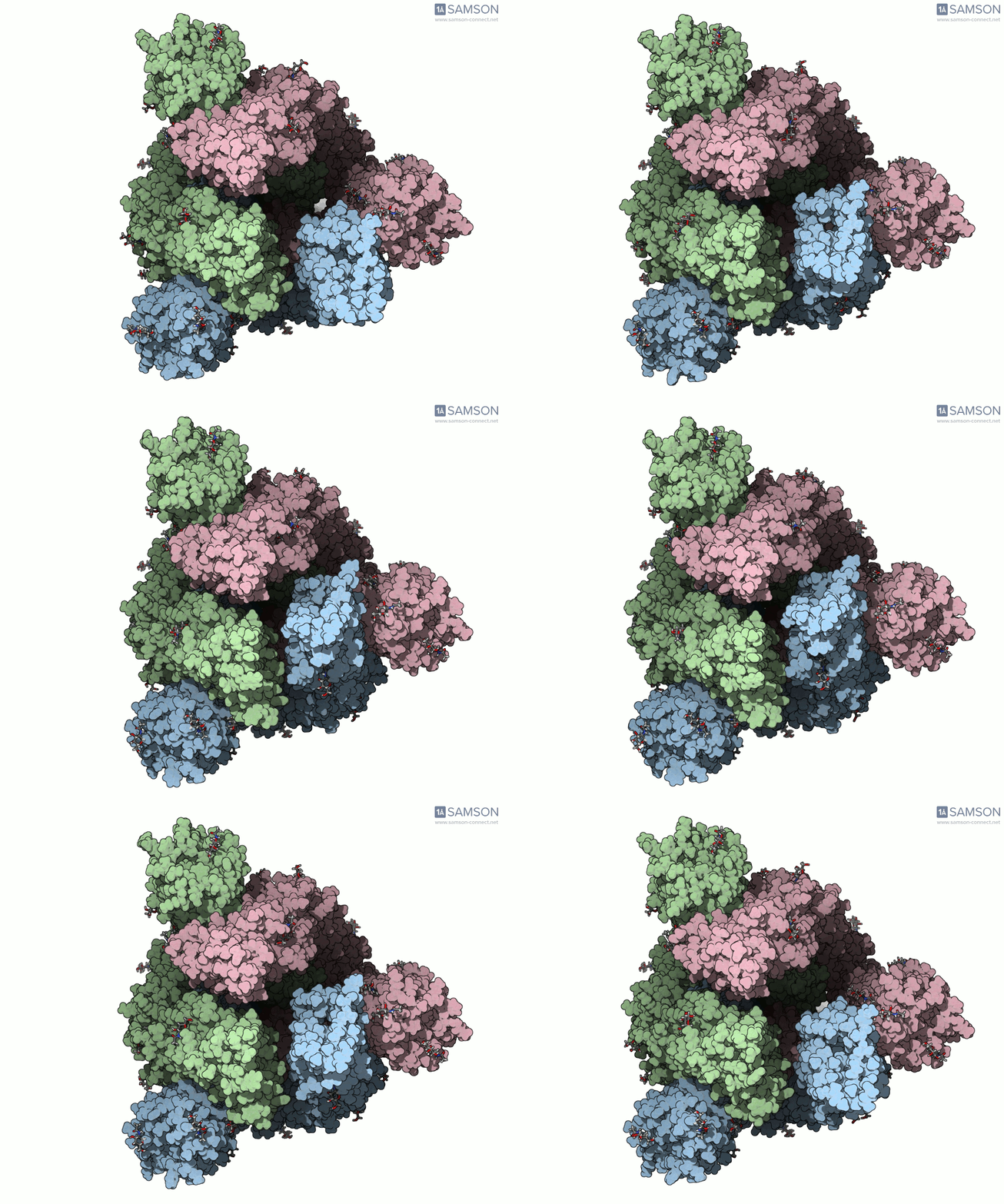
How the Motion Was Computed
Using SAMSON, researchers mapped this intricate motion by leveraging modules like ARAP and P-NEB. Here’s the methodical process that went into capturing the spike’s transition:
- Start and endpoint structures: The closed state (PDB 6VXX) and the open state (PDB 6VYB) were used as endpoints. However, differing residue counts in these conformations posed challenges.
- Sugar handling: SAMSON modules, along with custom Python scripts, were employed to process sugars and prepare the spike structures for further steps. Hydrogens were added, followed by minimization.
- Generating an initial pathway: The ARAP Interpolation Path module created a quick transition path, starting less than 30 seconds to compute.
- Refining the path: Leveraging the P-NEB module, researchers optimized the trajectory to ensure biological relevance and smoothness. This step required additional computational refinement, requiring about 15 minutes on a standard laptop.
While this workflow requires planning, the modular approach ensures flexibility for tackling unique challenges in protein modeling.
Download the Trajectory for Your Work
If you’re a molecular modeler, SAMSON provides downloadable trajectory files generated during this analysis. These include a set of PDB trajectory frames, a single PDB file, and a SAMSON-specific file offering an integrated and interactive experience:
Bear in mind that these files have not been experimentally validated, but they offer a solid starting point for visualization or further calculation in your research.
Moving Forward
SAMSON simplifies sophisticated computational workflows for researchers tracking complex biological movements like those of the SARS-CoV-2 spike. The platform also offers tutorials to help you dive deeper into key tools like ARAP and P-NEB. For further reading about how this motion was computed, visit the official SAMSON documentation page. Explore this to adapt similar workflows to your protein system of interest.
Note: SAMSON and all SAMSON Extensions are free for non-commercial use. Get it now by visiting https://www.samson-connect.net.