



For molecular modelers, generating accurate 3D structures from SMILES (Simplified Molecular Input Line Entry System) strings is a crucial step in various computational workflows. Whether you’re analyzing molecular properties, visualizing conformations, or preparing simulations, having robust tools for this conversion is essential. In this blog post, we’ll introduce you to the 3D structure generation capabilities of the SMILES Manager in SAMSON, powered by the RDKit toolkit.
A Common Challenge: From SMILES to 3D
The conversion of SMILES strings to 3D structures can often be tedious, especially when managing large quantities of molecules. Ensuring the correctness of 3D depictions and integrating these structures into existing computational workflows is a repetitive yet vital task. Luckily, the SMILES Manager provides a streamlined, user-friendly solution to overcome this challenge efficiently.
How It Works
The Generate 3D structures feature allows you to:
- Select specific SMILES strings from your dataset.
- Effortlessly convert them into 3D molecular structures using RDKit’s robust algorithms.
- Integrate these 3D structures directly into your active SAMSON document for further processing or visualization.
Generating Multiple 3D Structures
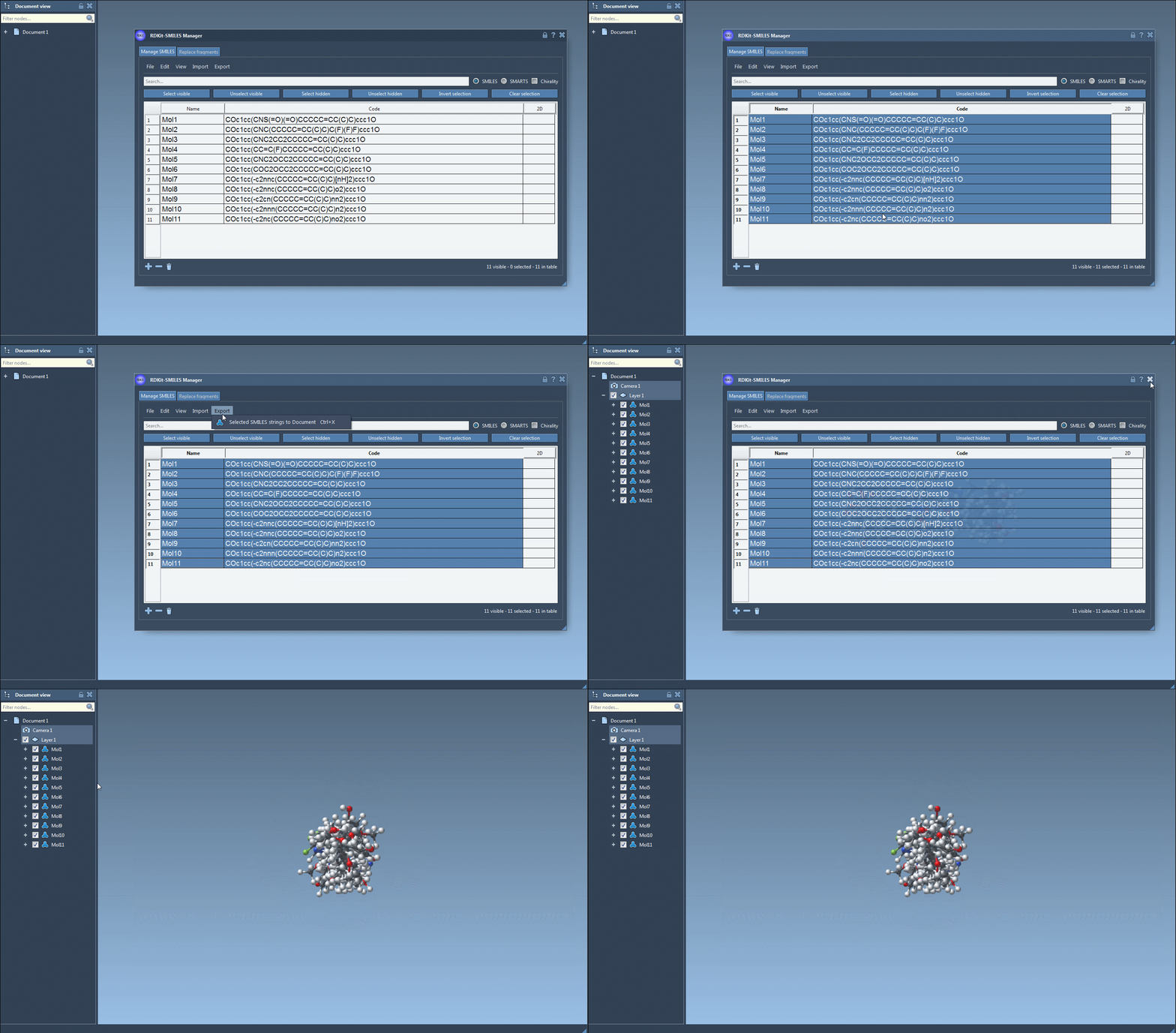
In the SMILES Manager interface, you can select one or more SMILES strings displayed in the table and then use the Selected SMILES string to Document action, found in the Export menu. This action instantly converts the selected SMILES into their 3D counterparts and adds the resulting structures with their names to the active SAMSON Document.
Single Molecule Generations
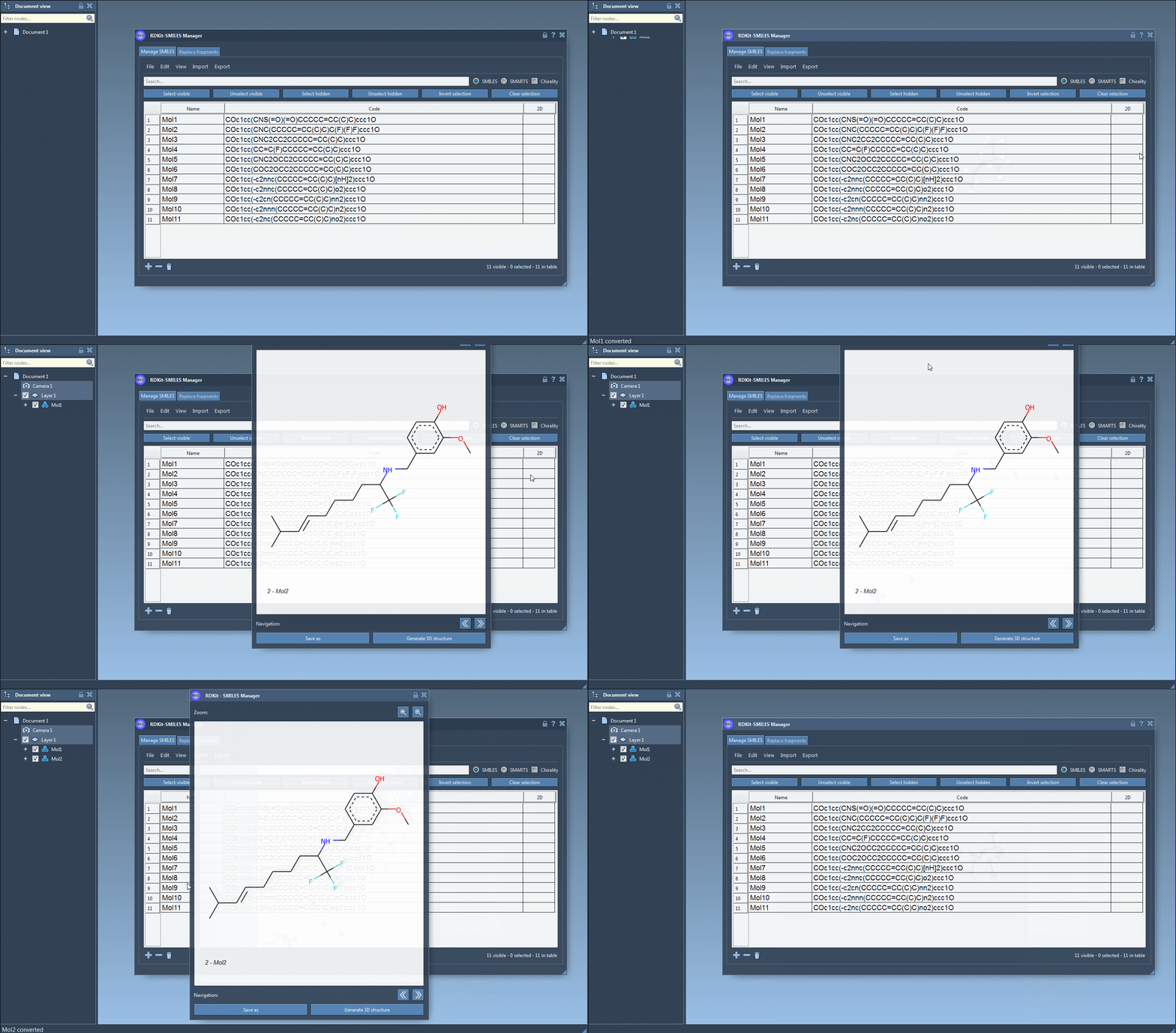
If you’re working with individual molecules, the SMILES Manager makes it easy to generate a 3D structure without any hassle. Simply use the context menu by right-clicking on the SMILES entry in the table and selecting Generate 3D structure. Alternatively, if you’re viewing a larger depiction of the molecule, you’ll find this option readily accessible as a button.
Intelligent and Intuitive Updates
The tool also comes with an intelligent update mechanism. If you modify the SMILES string of a molecule in the table, the corresponding 3D structure is automatically regenerated to reflect the changes. This feature helps maintain consistency and ensures that your data is always up to date.
Why It Matters
The ability to instantly generate accurate 3D conformations from SMILES codes reduces manual efforts significantly, enabling molecular modelers to focus on their core tasks. When combined with SAMSON’s other capabilities, such as visualization, analysis, and simulation, this functionality opens up streamlined workflows for molecular design and optimization.
To explore all the features of the SMILES Manager and learn more about its 3D structure generation capabilities, check out the full documentation: Using the SMILES Manager.
Note: SAMSON and all SAMSON Extensions are free for non-commercial use. You can download SAMSON at SAMSON Connect.