Visualizing Biological Assemblies: A Guide for Molecular Modelers
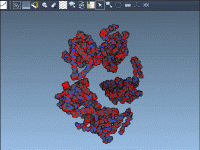
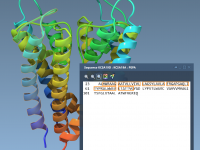
For molecular modelers, understanding how proteins organize themselves within their crystal structures or biological assemblies is essential. Whether it’s exploring interactions at protein-protein interfaces, reconstructing quaternary structures for simulation, or designing symmetric protein complexes, these insights are key to driving…
A Guide to Interactive Molecular Minimization in SAMSON

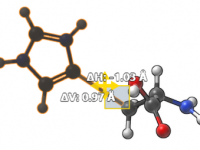
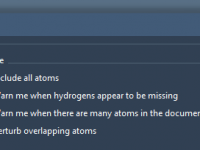
Minimizing molecular structures is a routine yet critical task in molecular modeling, as it helps in improving the structural geometry by reducing energy and strain in the molecular system. However, achieving precision while maintaining flexibility during minimization can sometimes be…

Streamlining Your Molecular System for GROMACS Simulations

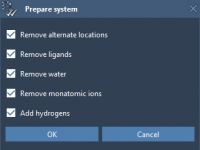
Molecular modelers often face challenges when preparing systems for GROMACS simulations. A common pain point is dealing with unnecessary or problematic data that can slow down simulations or lead to errors during setup. Cleaning your system before simulations is essential…

Streamline Molecular Presentations with the Record Path Animation

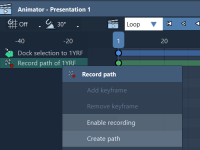
Molecular modeling often requires the visualization of dynamic phenomena, such as the intricate trajectories of atoms or molecules during simulations or assemblies. For many modelers, recording atomic movements for presentation purposes or analysis can be complex and time-consuming. Here’s where…

Mastering Label Attributes in SAMSON’s NSL

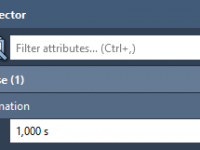
An In-Depth Guide to Label Attributes in SAMSON Molecular modelers often face challenges when managing and customizing elements within complex molecular structures. One of the common frustrations is efficiently filtering, labeling, and identifying components in models. Thankfully, SAMSON, the integrative…