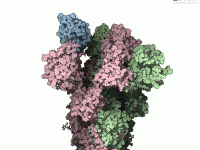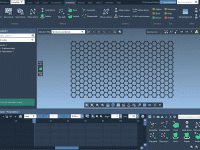
Which Unit Cell Shape Should You Use? A Toolkit for Smarter Simulations
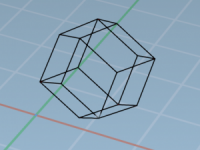
Making Molecular Objects Appear and Disappear with Flash Animation in SAMSON
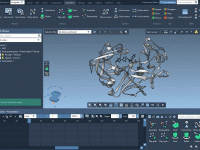
Installing SAMSON Without Admin Rights: A Relief for Molecular Modelers
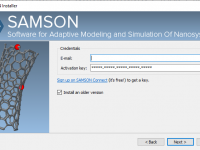
Many molecular researchers experience a common yet frustrating obstacle: installing advanced molecular modeling tools on systems where administrative permissions are limited or completely restricted—especially in academic institutions, shared labs, or virtual environments. If you’ve ever faced such a hurdle, you’ll…
Installing SAMSON Without Admin Rights: A Relief for Students and Researchers
Installing powerful molecular modeling software can be a challenge, especially when you’re working on a shared machine or don’t have administrator privileges. For many students, academic researchers, and professionals working on university-managed systems, obtaining admin rights is time-consuming or even…
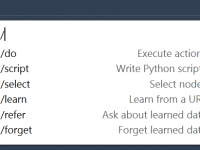
Let SAMSON AI Write Your Python Scripts for Molecular Modeling
Making Molecular Models More Intuitive with the Rotate Animation
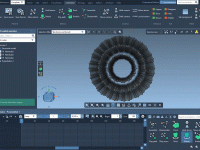
Aligning Molecules Effortlessly with the Dock Animation in SAMSON
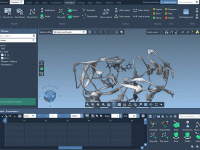
Preview and Generate Protein Symmetry Mates in Real Time
Exploring the arrangement of protein subunits is essential in structural biology, particularly when transitioning from crystallographic units to biologically relevant assemblies. A recurring challenge for molecular modelers is determining how individual protein chains relate to their symmetric counterparts, especially when…