



For molecular modelers tackling the intricacies of SARS-CoV-2, understanding the motion of the spike protein is essential. This dynamic protein plays a critical role in the virus’s ability to infect host cells, transitioning from a closed state to an open, receptor-binding conformation. Mapping these motions can provide valuable insights for drug discovery and therapeutics design. In this article, we explore how to visualize and analyze the motions of the SARS-CoV-2 spike using computational tools in SAMSON.
The Importance of Spike Protein Motion
The SARS-CoV-2 spike facilitates viral entry into host cells by binding to the ACE2 receptor on human cell membranes. The transition from a closed state (inactive) to an open state (active) exposes its receptor-binding domain, enabling this interaction.
Understanding this transition at the molecular level can help uncover potential intervention points to block the process, whether by drug design or antibody therapies.
Animations that Bring Biology to Life
To truly grasp the spike’s motion, SAMSON provides detailed animations illustrating the conformational changes:
- From initial closed (down) to fully open (up) positions.
- Visualized through side, top, and angled perspectives.
These animations not only highlight the changes in shape and orientation but also provide clearer context for researchers to develop mechanistic insights.
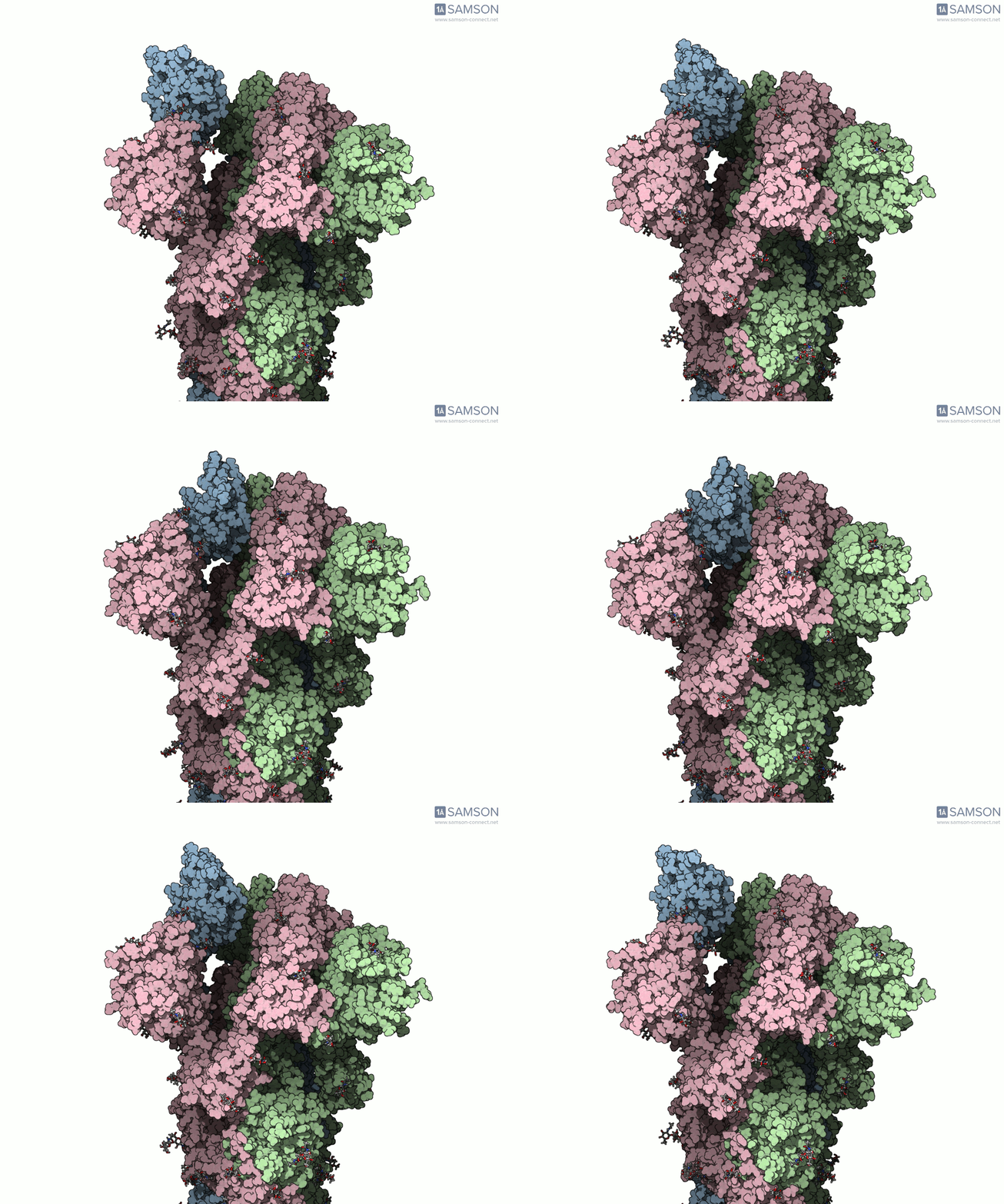
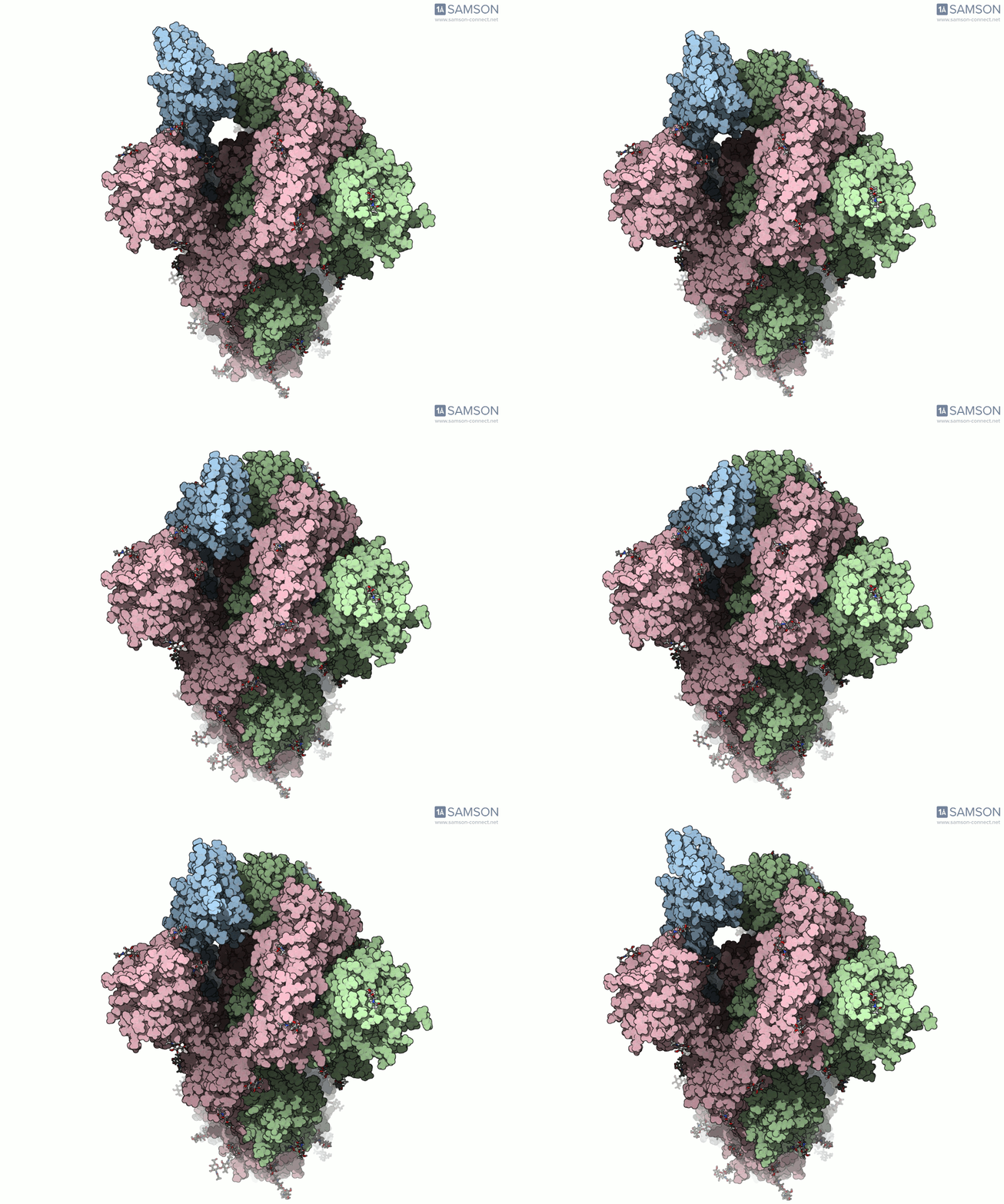
By observing these clear visual cues, researchers can pinpoint active regions and better simulate interactions with small molecules or antibodies.
Download the Computed Trajectory
SAMSON provides ready-to-download trajectories for engaging with this data computationally. These files can be accessed in different formats including:
The SAMSON format file is particularly helpful, as it integrates the spike structure, the open/closed conformations, and the paths for animation. Simply double-click to visualize each transition or play the full animation, making the process intuitive and highly interactive for users.

Illustrative Use, Not Verified Results
While these trajectories are valuable for educational and preliminary research purposes, keep in mind that they have not been experimentally verified. Researchers may want to conduct further experimental or computational validations before using them in final analyses. Nevertheless, they serve as an accessible example of how molecular flexibility can be captured through simulation.
To learn more about this topic and explore the animations yourself, visit the detailed documentation page: Coronavirus: Computing the Opening Motion of the SARS-CoV-2 Spike.
Note: SAMSON and all SAMSON Extensions are free for non-commercial use. Get SAMSON today to start exploring these computational tools!