



In molecular modeling, understanding the structural behavior of proteins is essential for targeted research, such as vaccine design or pharmaceutical development. A particularly challenging and critical task includes mapping protein motions—such as the opening of the SARS-CoV-2 spike protein, which is key to the virus’s ability to infect human cells. This blog post explores how molecular modelers can analyze and visualize this motion through computational trajectories.
Why Study the SARS-CoV-2 Spike Opening Motion?
The SARS-CoV-2 spike protein facilitates the virus’s entry into human cells. It binds to a specific host receptor molecule, Angiotensin-Converting Enzyme 2 (ACE2), located on the surface of cells in the lungs, heart, and other organs. This binding process occurs after the spike undergoes conformational changes, transitioning from a closed state to an open state capable of receptor recognition. Studying this dynamic behavior helps scientists understand the spike’s vulnerabilities, which might inform therapeutic interventions or vaccine development strategies.
The spike’s motion involves intricate molecular mechanisms. For example, one crucial section—the receptor-binding domain—becomes exposed during the transition, allowing the protein to interact with ACE2. Understanding this process in detail relies on seamless computational workflows, which SAMSON simplifies significantly for molecular modelers.
Visualizing the Spike’s Motion
Animations and trajectory files offer a unique lens into the behavior of protein structures. Below are three computed motion sequences of the SARS-CoV-2 spike:
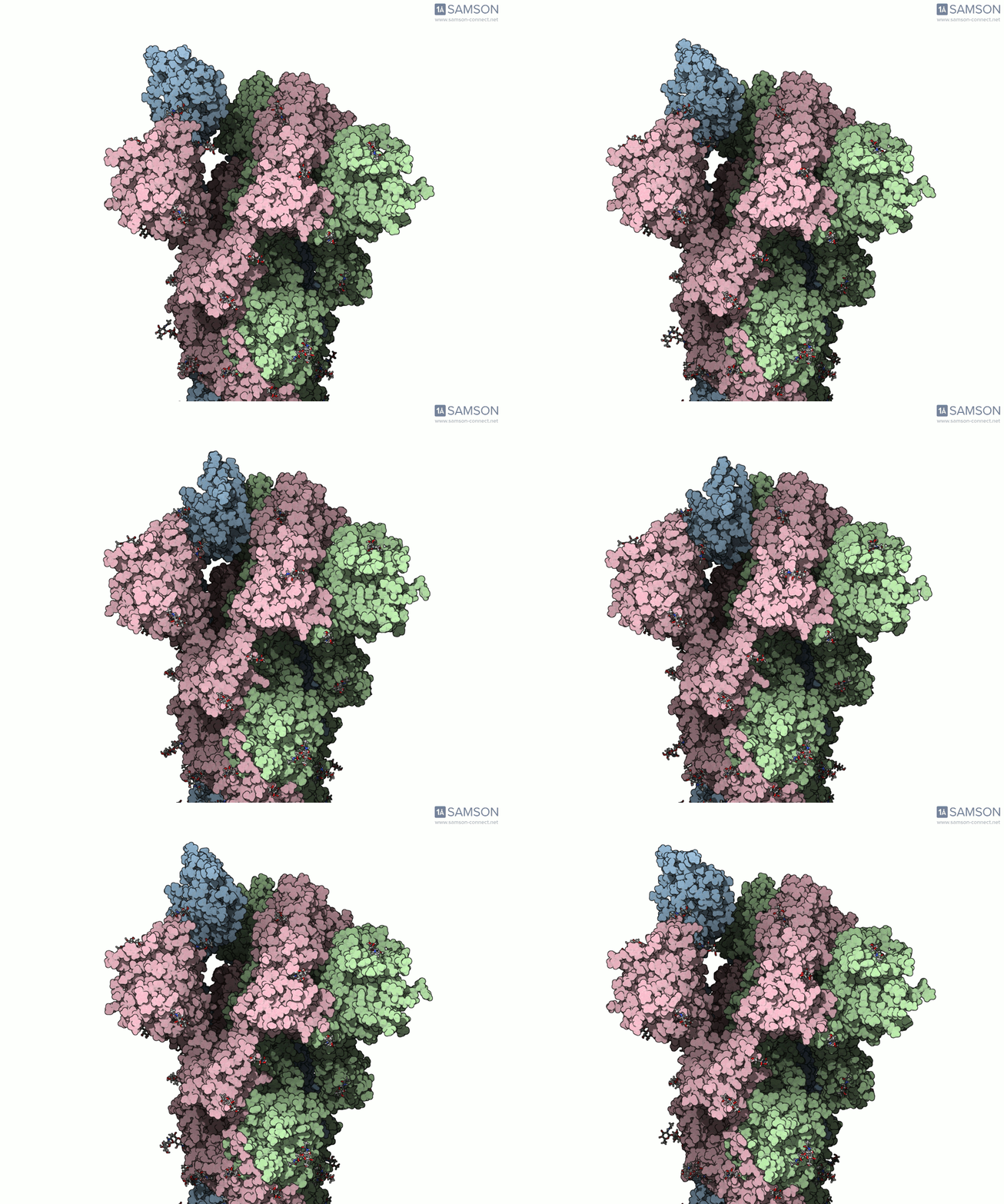
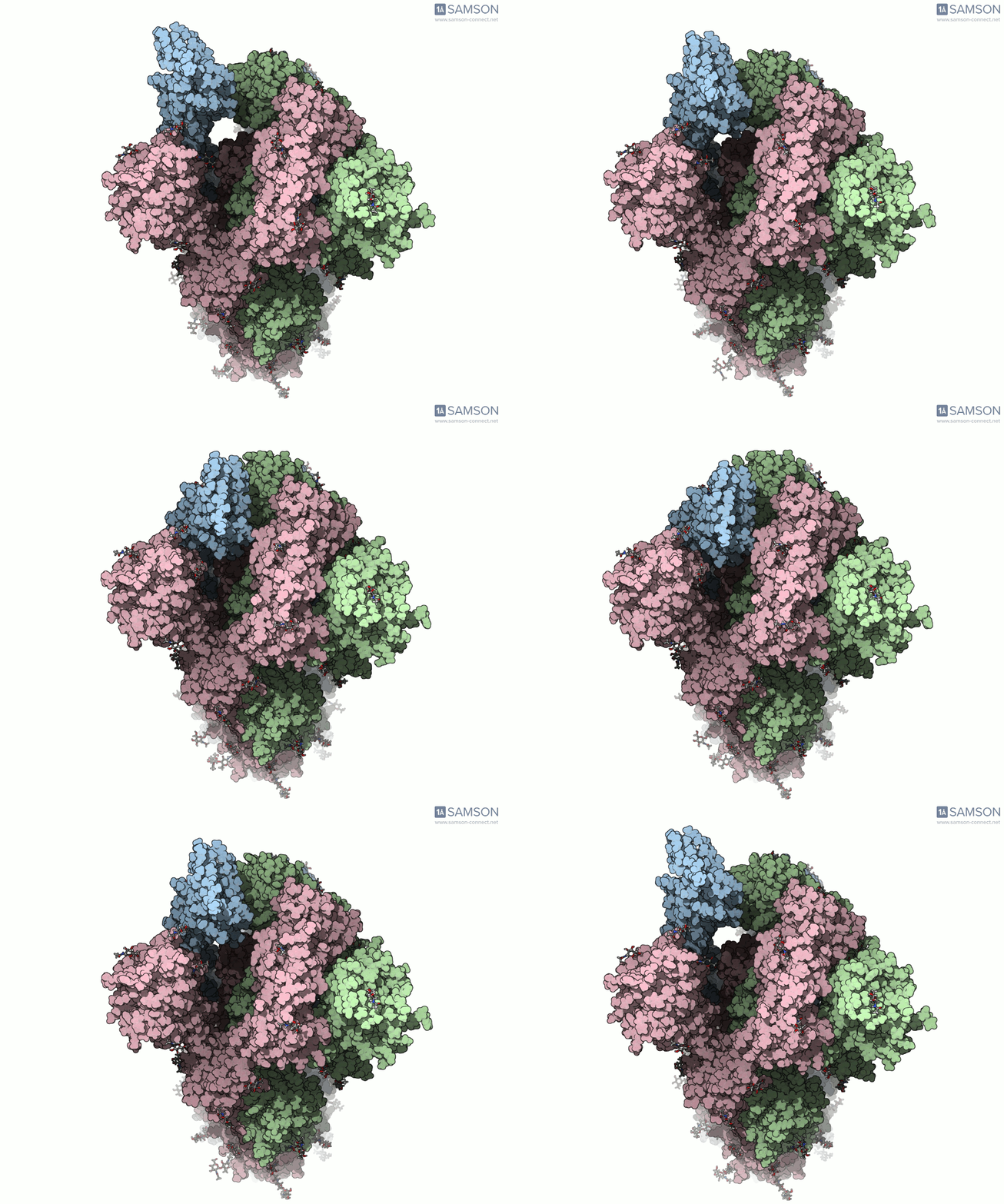
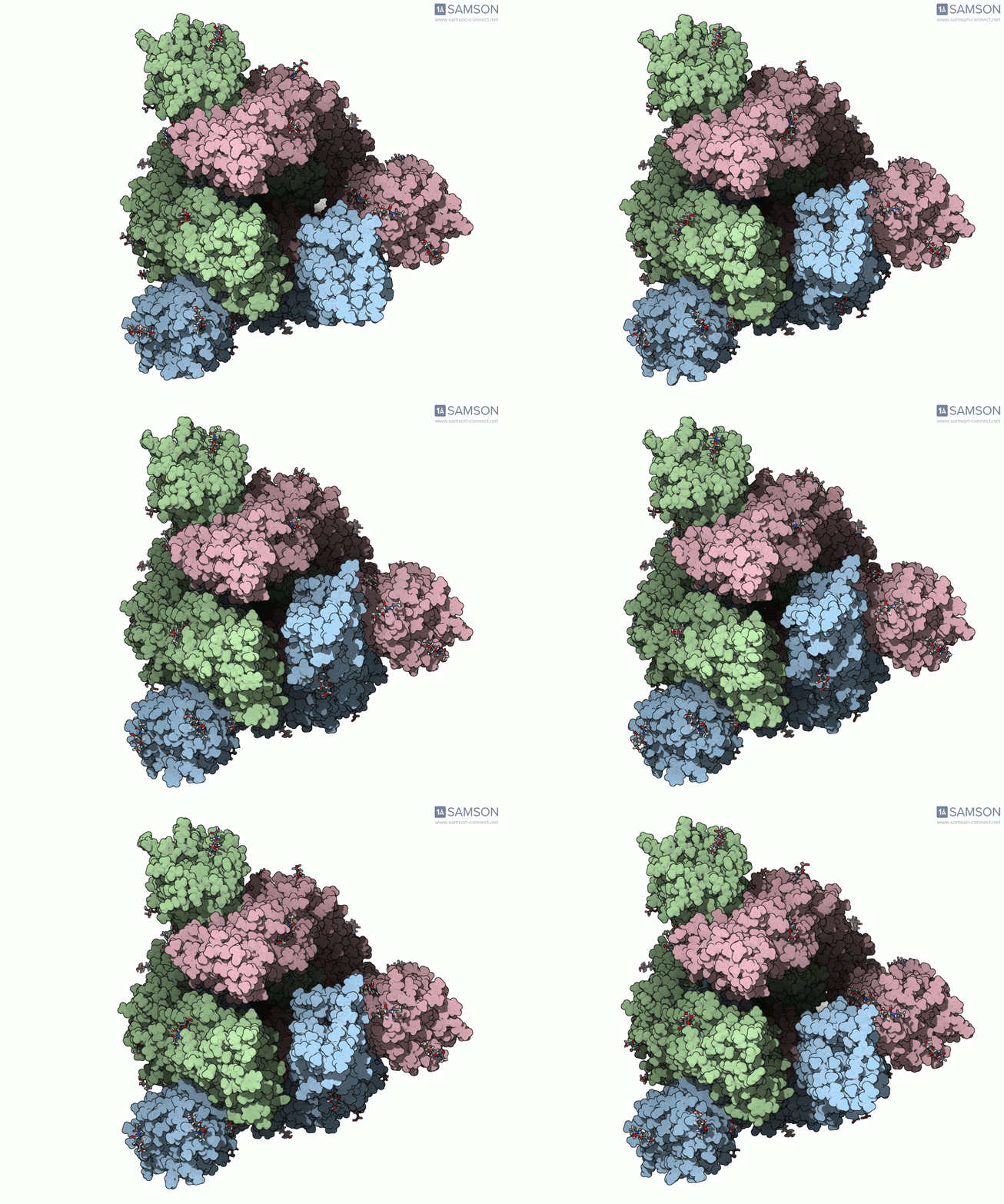
These videos are produced by computationally interpolating between the open and closed states of the spike protein, using tools available within SAMSON. Not only do these visualizations provide insights into the spike’s behavior, but they may also assist in hypothesizing intervention points for therapeutic research.
Download Trajectories for Direct Inspection
For molecular modelers wanting to explore these motions firsthand, SAMSON provides downloadable trajectory files in several formats:
The SAMSON file includes both the open and closed conformations, as well as the transitional path computed using SAMSON’s tools. Double-clicking within SAMSON activates an animation, enabling an intuitive exploration of the spike’s dynamic behavior.
How the Motion Was Computed
The workflow to compute this trajectory in SAMSON involved several key steps:
- Structural preprocessing: Adjusting bond orders and adding hydrogen atoms.
- Computing an interpolated path using the ARAP Interpolation Path module, starting from the open state (PDB 6VYB) to the closed state (PDB 6VXX).
- Refining the path with the P-NEB (Parallel Nudged Elastic Band) module, to improve accuracy and realism.
Each step involved intuitive tools from SAMSON, which simplify complex molecular modeling tasks while delivering robust results.
Importantly, these trajectories—provided under a Creative Commons BY 4.0 license—are intended for educational purposes and as a starting point for more detailed calculations or experimental validations.
Next Steps
If you’re working on protein dynamics or modeling similar conformational transitions, SAMSON offers tutorials for ARAP Interpolation and P-NEB optimization. These guides will equip you with the tools needed to create and refine transition paths for any protein.
To dive deeper into this particular analysis and see how to reproduce the workflow, visit the original documentation page here.
Note: SAMSON and all SAMSON Extensions are free for non-commercial use. Start exploring advanced molecular modeling today by downloading SAMSON at www.samson-connect.net.