



Author: OneAngstrom
Tracking Moving Molecules: Let the Camera Follow Your Atoms Automatically
Quickly identify groups of atoms in SAMSON using selection attributes
Molecular modelers often work with very complex systems, frequently involving large biomolecules, materials, or supramolecular assemblies. Navigating these models efficiently often depends on the ability to select and manipulate parts of the system based on their structural or logical organization.…
Adding a Lipid Layer Around a Protein without Headaches
FASTA in, Structure out: Using AlphaFold-2 in SAMSON
A Simple Way to Stay Organized When Modeling Molecules
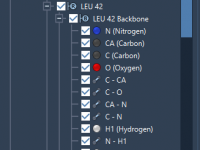
Choosing the Right Discrete Color Palette for Molecular Visualization

Easily Control Molecular Visibility with the Shown Animation
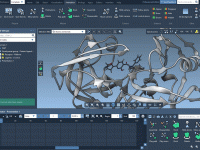
How to Quickly Find Hidden or Visible Nodes in Molecular Scenes
Efficiently Filter Charged Residues in SAMSON with NSL
When working on protein modeling workflows, one of the recurring tasks is identifying and selecting residues based on their electrical charge. Whether you’re optimizing electrostatic interactions, analyzing salt bridges, or preparing electrostatics-related simulations, filtering charged amino acids is a crucial…