Category: Uncategorized
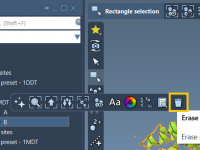
SAMSON Without Admin Rights: Molecular Modeling Made Easier for All Researchers
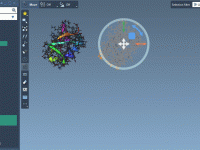
Revealing the Full Protein Assembly: A Quick Guide to Symmetry Mates
From Carbon Fiber to Glass: Easily Customize Materials in Molecular Renderings
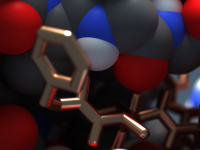
Molecular modelers trying to produce high-quality images for publications, presentations, or communication often face a recurring issue: getting the visuals to look realistic without spending hours tweaking parameters. Representing molecules in photorealistic styles—whether they’re embedded in a glassy matrix, glowing…
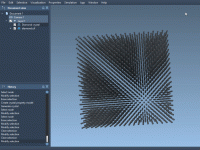
Easily Toggle Visibility in Complex Molecular Models
What Happens When You Add Defects to Diamond?
Cleaning Your Protein Structures for Path Interpolation in Seconds
Choosing Initial Conformations for Umbrella Sampling Without the Guesswork
Picking Initial Conformations for Umbrella Sampling Without the Guesswork
A Cleaner Way to Build Protein Replicas for Coarse-Graining

SAMSON Without Admin Rights: Molecular Modeling Made Easier for All Researchers
Revealing the Full Protein Assembly: A Quick Guide to Symmetry Mates
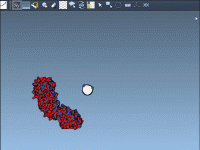
From Carbon Fiber to Glass: Easily Customize Materials in Molecular Renderings
Molecular modelers trying to produce high-quality images for publications, presentations, or communication often face a recurring issue: getting the visuals to look realistic without spending hours tweaking parameters. Representing molecules in photorealistic styles—whether they’re embedded in a glassy matrix, glowing…