



Author: OneAngstrom
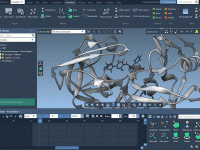
Streamline Molecular Modeling with the SAMSON Job Manager.
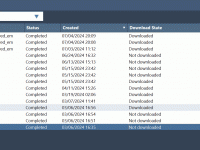
In molecular modeling, managing computations efficiently can make a significant difference in time and productivity. Whether you're working on protein structure predictions with AlphaFold, cloud-based molecular dynamics simulations using GROMACS, or other computational tasks, coordinating these jobs can often feel…
Effortlessly Manage Molecular Selections with Quick Groups in SAMSON
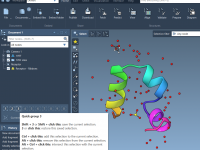
How to Seamlessly Reveal Molecular Components with the ‘Show’ Animation in SAMSON
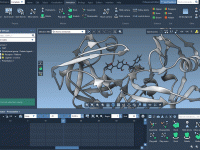
Molecular modelers often find themselves needing to visually communicate complex interactions or transitions effectively. For instance, when preparing presentations or simulations, it becomes essential to reveal molecular structures progressively in a way that maintains visibility throughout the animation. This is…
Mastering the ‘Show’ Animation Effect in SAMSON Animator
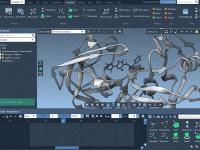
Streamlining Protein Transition Pathways with the Protein Path Finder App

Explore Protein Alignment and Interaction Diagrams with SAMSON 2025 Features.
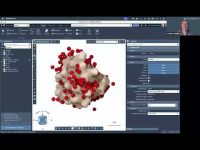
Ensuring Compatibility Between SAMSON and Extensions.
Streamline Molecular Visualization with Visual Presets in SAMSON
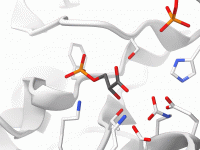
Bring Molecules to Life with Material Control in SAMSON’s Cycles Renderer
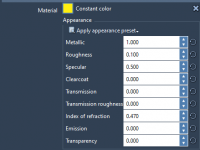
For molecular modelers, creating visually compelling and scientifically accurate representations of materials can be a persistent challenge. Whether you’re simulating a metallic surface, a transparent protein structure, or an emissive element, the appearance of your models plays a significant role.…