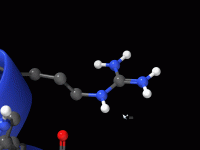
Finding Bonds by Type in Molecular Models: A Quick Guide to NSL
Customizing Molecular Dynamics Simulations in SAMSON: A Closer Look at MDP Control
Working with molecular dynamics (MD) simulations often requires detailed control over simulation parameters to achieve accurate and reproducible results. For researchers using GROMACS, this usually entails editing the MDP (Molecular Dynamics Parameters) files manually—a process that can be frustrating due…
Wrapping Proteins with Lipids: A Quick Guide to Building Membranes in SAMSON
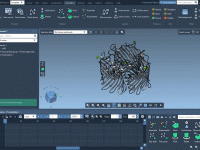
Building biologically relevant molecular systems often involves embedding a protein within a lipid bilayer or surrounding it with a lipid monolayer. For molecular modelers, manually placing lipids around complex protein structures can be time-consuming and error-prone. Ensuring correct orientation, packing…
Toggling Atomic Visibility in Molecular Models without Manual Selection
When working with complex molecular systems, controlling what’s displayed—and what isn’t—can drastically improve your modeling workflow. Especially when your scene contains hundreds or thousands of visual representations, the ability to filter and display only the relevant models becomes essential. The…
From Invisible to Visible: Revealing Atoms for Seamless Molecular Presentations
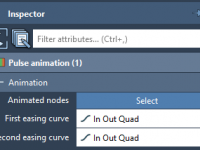
Controlling Molecular Visibility Over Time with the Hide Animation in SAMSON
Why Your Molecules Look Flat (and How to Fix It)
Efficiently Zoom Into Molecular Details Without Changing Your Scene
When Bonds Break: Modeling Topological Changes in Real Time
Designing molecular systems often involves experimenting with structures: forming bonds, breaking them, tweaking atom types. For many molecular modelers, these changes have traditionally required discrete steps such as redefining topology, restarting simulations, and recalculating parameters—interrupting the creative or scientific flow.…