Streamlined Molecular Visualization with Visual Presets in SAMSON
Making Atoms Disappear: A Guide to the ‘Conceal Atoms’ Animation
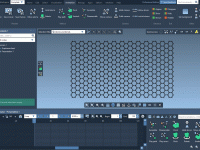
Effortlessly Converting SMILES to 3D Molecular Structures in SAMSON
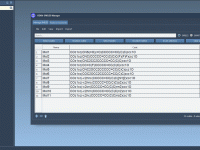
For molecular modelers, generating accurate 3D structures from SMILES (Simplified Molecular Input Line Entry System) strings is a crucial step in various computational workflows. Whether you’re analyzing molecular properties, visualizing conformations, or preparing simulations, having robust tools for this conversion…
Streamline Molecular Modeling with Node Categories in SAMSON.
One of the key challenges molecular modelers face is efficiently navigating complex data structures and identifying specific components within molecular systems. SAMSON, an integrative molecular design platform, addresses this challenge with its Node Specification Language (NSL). In particular, the node…
Mastering Keyframes for Camera Animations in SAMSON.
Mastering Molecular Modeling with SAMSON’s Built-in Tutorials
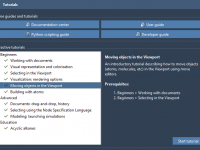
Molecular modeling can often feel like navigating an intricate maze, especially when trying to use complex platforms efficiently. Recognizing this challenge, SAMSON addresses it with an engaging and user-friendly solution: interactive tutorials embedded directly within the platform. These tutorials are…
Step-Up Molecular Visualizations with Customizable Visual Presets
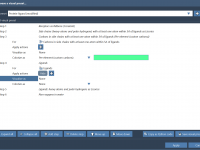
Molecular modelers often grapple with the challenge of efficiently visualizing complex molecular systems. Whether it’s protein-ligand interactions, detailed structural analysis, or preparing impactful presentations, configuring the perfect visualization can be daunting—colors, representations, node selections, and more need careful setup. Enter…