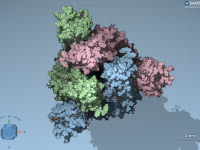
Creating Smooth Protein Transition Paths with ARAP Interpolation
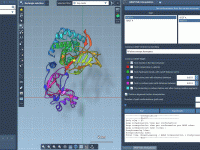
When modeling molecular processes, capturing transitions between different conformations of a protein is often essential. Whether you’re exploring activation pathways, refining docking poses, or setting up umbrella sampling simulations, intermediate structures along these conformational paths are a valuable resource. But…

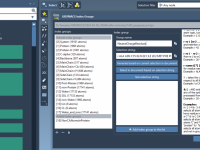
A Quick Guide to Selecting Backbones in SAMSON Using NSL

When working on complex molecular systems in SAMSON, efficiently selecting specific components—like molecular backbones—is crucial. Whether you want to inspect properties, apply materials, or run analyses, the Node Specification Language (NSL) provides a clear and expressive way to specify what…

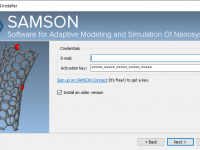
No Admin Rights? No Problem: Installing SAMSON Without Admin Privileges

For molecular modelers working in institutional settings—especially students and researchers without administrative privileges on their workstations—software installation can be a persistent challenge. Many powerful scientific tools require admin rights, which slows down onboarding and introduces a frustrating dependency on IT…

Keeping Track of Cloud Simulations with SAMSON’s Job Manager

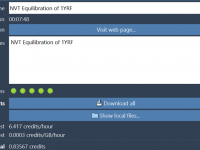
For molecular modelers working across different machines or collaborating remotely, keeping track of simulation jobs—especially cloud-based ones—can quickly become a challenge. Whether you’re predicting protein structures with AlphaFold or running dynamics using GROMACS, losing oversight of your running jobs, outputs,…

Choosing the Right Color Scheme Can Reveal More Than You Think

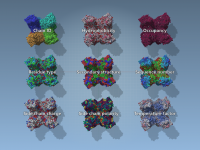
For many molecular modelers, visual clutter and unclear structural representations slow down analysis and discovery. Colors that aren’t well chosen can obscure rather than reveal important differences in structures—such as charge distributions, chain boundaries, or hydrophobic patterns. That’s where fine-grained…