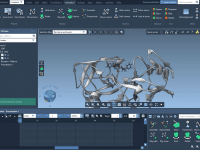
In a molecular scene with many nodes, a small task—finding the light nodes, checking which are hidden, or locating one by name—can turn into a distracting search. SAMSON’s Node Specification Language (NSL) lets you describe light nodes using the light…
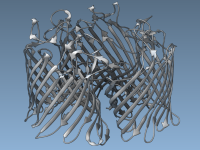
A molecular scene can contain all the right information and still be difficult to read. Atoms overlap, depth is ambiguous, edges look jagged, and a protein may seem to float against its surroundings. Before changing the structure or rebuilding the…
You finish preparing a molecular model, choose a filename, and export it—only to discover that the next tool in your workflow expects a different file format. This kind of handoff problem is often less about the model itself and more…
When a molecular project contains many conformations, finding the ones relevant to a task can become a small but persistent frustration. A long list is difficult to scan, and a name alone may not tell you whether a conformation is…
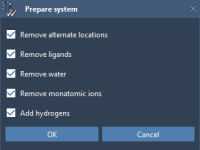
A molecular system can look ready for simulation and still contain structural details that complicate preparation: alternate atom locations, unwanted small molecules, crystal waters, or monatomic ions. Removing everything that looks extra may seem like the quickest fix—but some molecules,…
When several structures occupy the same region of a molecular scene, it can be difficult to tell what belongs together—and even harder to explain how the pieces relate. Moving objects by hand may help, but it can also make a…
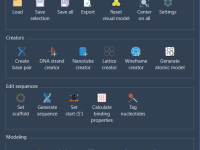
Reusing a published DNA origami design sounds simple: find a structure, open it, and move on to the next step. In practice, modelers often encounter a more basic problem first: the files may come from different tools, use different formats,…
When a protein or other molecular structure fills the viewport, the front layers can hide the residues you want to inspect. Zooming closer may help, but it can also make it harder to understand where the feature sits in the…
A protein–ligand simulation can stall before the first molecular-dynamics step—not because the binding pose is wrong, but because the ligand structure and its topology do not agree. Atom names, hydrogen placement, residue names, and force-field choices all need to line…
A molecular scene can contain exactly the information you need and still be hard to read. When several models, meshes, or labels compete for attention, hiding an object outright may make the transition feel abrupt: the viewer sees the scene…