Author: OneAngstrom
Mastering Multiple Cameras in Molecular Modeling
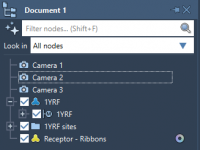
Why Molecular Simulations Fail and How to Troubleshoot in SAMSON
Unveiling Interactive Molecular Editing with IM-UFF in SAMSON
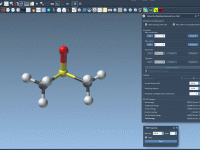
Molecular modelers often face a significant challenge: how to efficiently edit molecular structures while ensuring that changes reflect physical reality. Traditional methods might involve tedious, step-by-step structure updates, hindering workflows. However, SAMSON’s Interactive Modeling Universal Force Field (IM-UFF) offers a…
Understanding the SARS-CoV-2 Spike Opening Motion
A Molecular Modeler’s Guide to Understanding Side Chain Attributes
Mastering Folder Attributes in SAMSON: A Guide to Streamlined Molecular Modeling
Mastering Camera Zoom in Molecular Animations
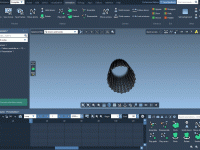
Creating compelling molecular animations often requires precise control over camera movement. For molecular modelers, showcasing specific regions of intricate structures without altering the perspective can be a recurring challenge. This is where SAMSON’s Zoom camera animation becomes an indispensable tool.…