



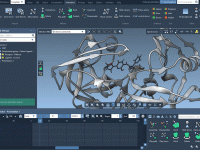
Mastering Label Visibility in SAMSON for Molecular Design Clarity
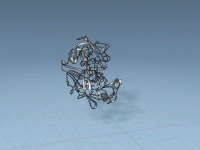
Simplifying Complex Atom Selections with the Atoms Selector Extension

Exploring Segment Attributes for Molecular Design
Mastering Hierarchical Structure Modifications in Molecular Modeling
Streamlining Structure Modeling with AlphaFold-2 in SAMSON
As a molecular modeler, the task of predicting biomolecular structures can often feel overwhelming due to the complexity and computational demands of the process. Fortunately, SAMSON’s Biomolecular Structure Prediction extension simplifies this process by integrating advanced cloud-based prediction tools like…
Streamline Your Molecular Modeling with SAMSON Extensions
Simplify Molecular Visualization With Render Preset Attributes
Bring Accuracy to Visualization with SAMSON’s Color Palettes

Preparing Proteins for Docking in Hex: Insights and Best Practices
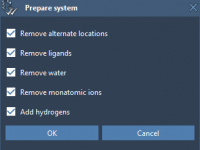
Protein docking often requires meticulous preparation to ensure accurate and efficient simulations. While SAMSON provides streamlined tools for managing molecular models, correctly preparing protein structures is a critical step that can significantly impact docking results. If you’ve ever struggled with…