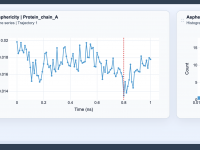
Tracking Molecular Surface Exposure with SASA Analysis.
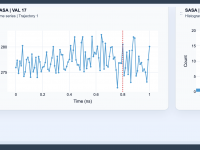
Simplifying Molecular Modeling with Light Attributes in NSL
Optimizing Molecular Organization with SAMSON’s Folder Attributes
Creating Seamless Background Animations in Molecular Presentations
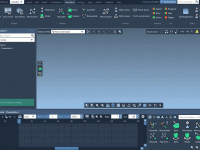
When crafting molecular presentations, adding smooth transitions and visually appealing backgrounds can elevate the experience for your audience. However, this often becomes a challenge when switching between different background images or designs without disrupting the flow. The Set background animation…
Streamline Molecular Modeling with Python Automation in SAMSON
Selecting the Right Color Palette for Molecular Visualization.

Enhance Your Molecular Visualizations with Tailored Color Palettes One common challenge molecular modelers frequently encounter is the effective and clear presentation of complex molecular structures. A carefully designed color palette can make a significant difference, not only making models visually…