Category: Uncategorized
A Precise Way to Select Atoms Using Mathematical Expressions in SAMSON
Choosing the Right Unit Cell to Save Time and Resources in Molecular Simulations
When Full-Protein Alignment Isn’t Enough: Focusing on Regions That Matter
Why Molecular Modelers Should Not Ignore Their SAMSON Public Profile
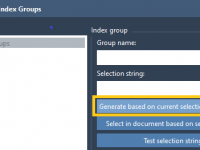
Custom Index Groups in GROMACS Wizard: Why They Matter and How to Create Them
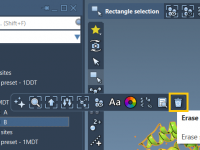
Making key parts of your molecular model visible at the right moment
Why Your SAMSON Extension Isn’t Loading (And How to Fix It)
Animating Molecular Motion: How to Visualize the SARS-CoV-2 Spike Opening with SAMSON
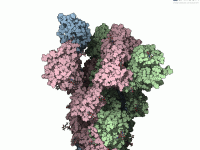
One common challenge in molecular modeling is illustrating conformational transitions—especially when you only have two experimental structures available. Whether for presentations, publications, or hypothesis generation, animating molecular transitions can help reveal critical insights quickly. But interpolating between two states manually…
Why Structure Preparation Matters Before Protein Interpolation
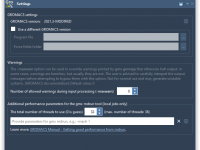
A Precise Way to Select Atoms Using Mathematical Expressions in SAMSON

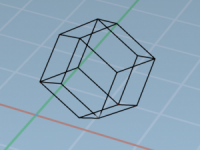
Choosing the Right Unit Cell to Save Time and Resources in Molecular Simulations
When Full-Protein Alignment Isn’t Enough: Focusing on Regions That Matter
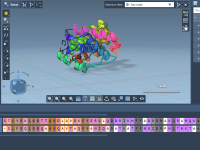
Why Molecular Modelers Should Not Ignore Their SAMSON Public Profile

Custom Index Groups in GROMACS Wizard: Why They Matter and How to Create Them
Making key parts of your molecular model visible at the right moment
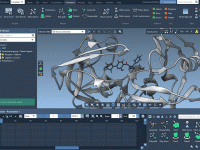
Why Your SAMSON Extension Isn’t Loading (And How to Fix It)
Animating Molecular Motion: How to Visualize the SARS-CoV-2 Spike Opening with SAMSON
One common challenge in molecular modeling is illustrating conformational transitions—especially when you only have two experimental structures available. Whether for presentations, publications, or hypothesis generation, animating molecular transitions can help reveal critical insights quickly. But interpolating between two states manually…