



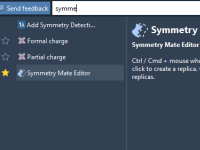
Better Molecular Models: Exploring Symmetry Mates in Proteins
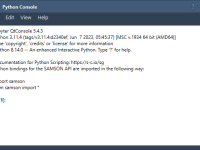
Streamline Molecular Workflows with Python in SAMSON.
Simplify Molecular Simulations with SAMSON’s Setup Workflows
Molecular modeling is often a meticulous process requiring careful setup for simulations. Between preparing your biomolecular system, choosing the correct force field, and addressing warnings, this step can become a bottleneck. Fortunately, SAMSON’s integrative molecular design platform offers structured workflows…
How to Use a Custom GROMACS Version in GROMACS Wizard
Simplifying Molecular Modeling with the Undock Animation in SAMSON
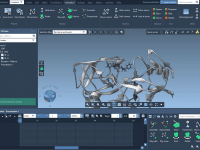
Understanding Segment Attributes in SAMSON’s Node Specification Language
For molecular modelers, efficiently navigating the attributes of molecular data is crucial. One recurring challenge is identifying, filtering, or modifying segments within complex molecular structures. In SAMSON’s powerful Node Specification Language (NSL), this becomes significantly more manageable through the use…
Understanding Structural Group Attributes in SAMSON
Streamlining Molecular Modeling with Smart Fragment Orientation in SAMSON
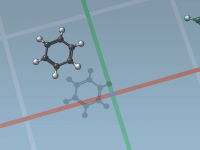
For molecular modelers, one of the most common pains encountered when building molecular systems is ensuring correct fragment orientation and avoiding errors in substitutions. Misaligned fragments or implausible substitutions can disrupt workflows and introduce inaccuracies, especially when assembling complex molecules.…