Understanding Camera Node Attributes in SAMSON
A Guide to Structural Model Attributes for Molecular Designers
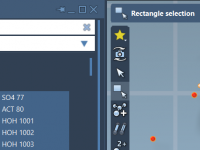
For computational molecular modelers, understanding and easily querying structural attributes within complex molecular datasets is essential. SAMSON’s Node Specification Language (NSL) provides a powerful framework for querying these attributes, allowing users to navigate and interact with molecular systems more effectively.…
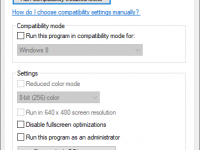
Fixing Small Icons in SAMSON on High DPI Monitors
Master Transparency with the ‘Appear’ Animation Effect
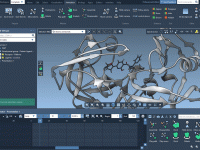
Effortless Setup for Molecular Modeling with SAMSON
Molecular modelers often face challenges when setting up new software: ensuring the correct requirements, navigating installation steps, and becoming familiar with intricate interfaces. Addressing these challenges upfront can save time and prevent frustration. SAMSON, the integrative molecular design platform, simplifies…
Maintaining a Static View with the Hold Camera Animation in SAMSON
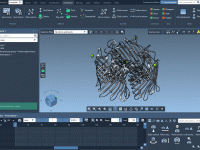
For molecular modelers, maintaining a consistent camera perspective during animations or presentations can be a significant challenge. When views are unintentionally altered during work, it can disrupt careful alignment and lead to less cohesive presentations. Thankfully, SAMSON provides an elegant…