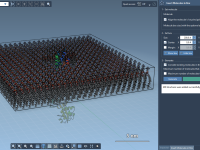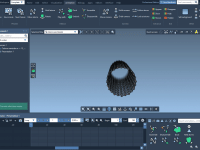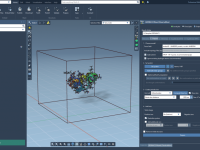
A Simple Way to Showcase Molecular Structures in Motion

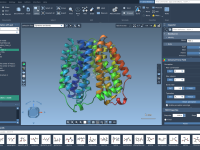
When presenting molecular models, motion can be a powerful tool to enhance understanding and communication. A static image may capture a single perspective, but animating a molecule—particularly by rotating it—can highlight spatial features, reveal internal organization, and simply make your…

Mastering Visibility and Selection in Molecular Animations

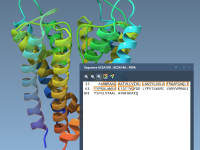
Creating molecular animations can be a powerful way to communicate structural changes and dynamic behaviors of molecules. However, it can quickly become frustrating when parts of your animations are unexpectedly hidden, incorrectly selected, or not rendered as intended. This is…

Making Camera Moves Feel Natural in Molecular Animations

When presenting molecular systems—whether you’re communicating a molecular interaction mechanism, showcasing a conformation change, or simply creating a smooth visual flythrough for a talk—camera movements can make or break the experience. One common pain point in molecular animations is using…

Positioning Molecular Fragments in SAMSON: A Visual Guide

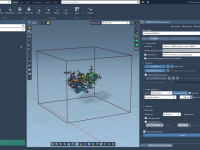
When designing complex molecular systems, positioning fragments in three dimensions can be both critical and challenging. Whether you’re assembling ligands, placing functionalized rings, or orienting biomolecular components for docking simulations or visualization, precise and flexible control over fragment orientation can…