Understanding and Utilizing Average Velocity in Molecular Dynamics.
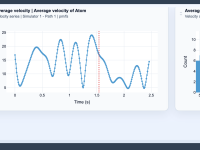
Molecular modelers and computational scientists commonly grapple with the challenge of analyzing dynamic trajectories effectively. Whether you are identifying areas of rapid movements in a molecular system or tracking moments of relative calm, understanding velocity changes across a time-based trajectory…
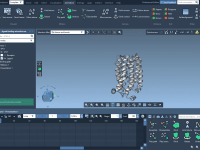
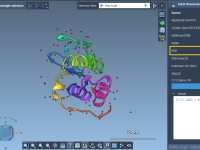
Animating Reverse Paths in Molecular Models: A Guide

For molecular modelers, analyzing trajectories and conformational transitions can often feel like piecing together an intricate puzzle. One frequent challenge is revisiting paths – backward. Whether you’re replaying a trajectory in reverse or cycling between crucial conformations, SAMSON’s Play reverse…

Using SASA to Analyze Molecular Exposure and Compaction

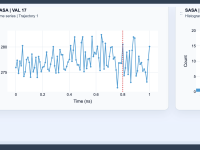
For molecular modelers working with structural dynamics, understanding the exposure and compaction of molecular structures is crucial. One effective way to track these characteristics is by using the solvent-accessible surface area (SASA) analysis. The SASA feature in the SAMSON Path…

Extend Your Molecular Modeling with SAMSON Extensions

Molecular modeling often requires customization and flexibility to adapt to various research and design projects. A common pain for molecular modelers is finding a platform that supports a wide range of tools and workflows while allowing for personalization. This is…

Bringing Molecules Into SAMSON: A Simplified Guide

One of the most crucial steps in molecular modeling is effectively loading your molecular structures into the software you are using. As a molecular modeler, this task might involve significant pain points: missing formats, confusing workflows, or cumbersome processes when…