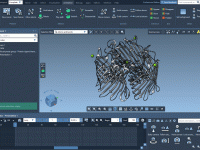
Building a Lipid Layer Around a Protein Without Manual Guesswork

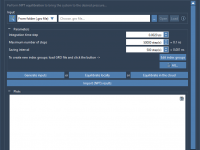
Preparing membrane-protein systems for simulation is a task that molecular modelers regularly face, especially when modeling transmembrane proteins. However, manually inserting lipids and ensuring proper alignment around a protein can be time-consuming and error-prone. If you’ve ever tried to construct…

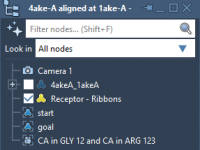
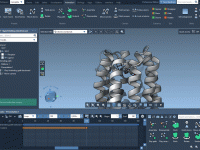
Framing Molecular Structures with the Orbit Camera in SAMSON

Molecular modeling often requires precise visualization to communicate structural insights clearly — whether in academic papers, presentations, or team meetings. But framing your molecular system from the right angles can be time-consuming, especially if you’re repeatedly adjusting views to get…

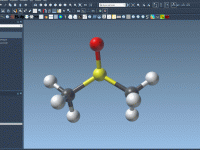
Make Your Molecules Gently Vanish in SAMSON

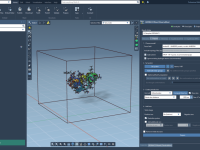
When preparing animations for scientific presentations or teaching materials, molecular modelers often face a common challenge: how to clearly show the removal or disappearance of molecular parts without making the transition feel abrupt. Using simple hide/show toggles can break the…

Easily Select Chains by Residue Count in Your Molecular Models

A common challenge when working with complex biomolecular systems is efficiently identifying and selecting chains based on their characteristics. Suppose you’re analyzing a protein–protein interaction, or refining a molecular assembly, and want to focus only on chains that are sufficiently…

Installing and Editing Local Python Packages Inside SAMSON

Many molecular modelers and computational chemists have their own Python packages—for custom simulations, analysis pipelines, or even neural networks for property prediction. But using them often means jumping between development environments, terminal sessions, and structured molecule viewers. What if everything…